

Writing about mothers who murder their children, as I have, means you occupy a rarified piece of real estate. We can be thankful for that rarity, the number of children murdered by a parent or stepparent in the U.S. each year holding steady at about 500.
But I worry this number may increase, and I worry because mothers are displaying, on social media and in Reddit threads, their willingness to be mesmerized by the idea of maternal filicide, an attraction fired and made manifest by Lindsay Clancy.
For the past two months, Clancy, who’s admitted to strangling her three young children, has been on the top of our newsfeeds. To say that the act of child murder deserves our full condemnation does not seem like much of a moral stretch. And yet how to explain the feelings of solidarity and compassion that Clancy has provoked, most visibly and vocally from young mothers who post “Same, Lindsay” and #IAmLindsayClancy while crying for the camera and holding their babies (most of whom, thankfully, sleep through the escapade)? What to make of the hundreds of women who dressed in pink and stood outside the courthouse during the Clancy trial, which ended last week in a hung jury? That only eleven of the twelve voted not to prosecute was nonetheless so painful to several female jurors that they showed visible signs of excruciation, clenching their fists and covering their faces, apparently devastated that their efforts had not spared Clancy another trial and the possibility of prison time.
These women seem to have entered a state of pain contagion, identifying with Clancy to the point where they sustain self-inflicted wounds out of which their empathy flows, empathy that, if they emote enough for the camera, might just wash back their way. They may tell themselves the performances are political, that they are calling attention to the burdens some mothers have felt since the dawn of time, feelings of being unfit, of being overwhelmed, of being underappreciated. They can meet in chatrooms and tell one another they are the good people for supporting Clancy, never mind that the fuel for their movement originates with a woman who tied ligatures around the necks of her children, ages five, three and eight months. Forging identity from the murder of very young children is the appropriation of pain, one they can walk away from at any time, which makes the emulation more than corrupt, more than selfish, it’s dangerous.
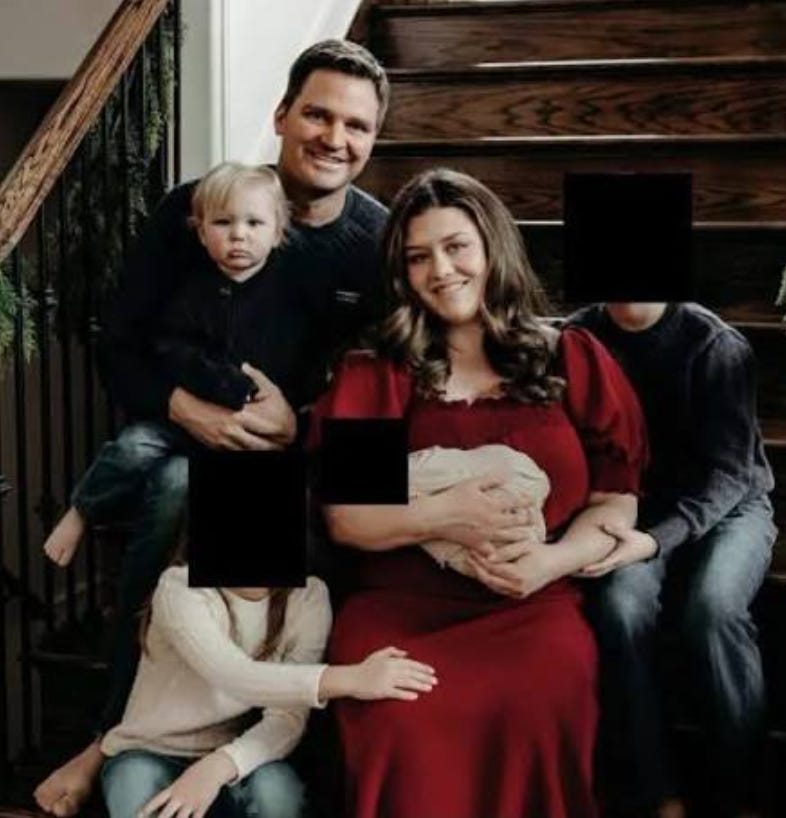
I thought this even before I read about Corie Walsh, who four days after Clancy’s mistrial, took her two-year-old son Barrett and hung him from a rafter in their Illinois home. The little boy was found by a neighbor, who tried to revive him but he later died. Prosecutors say Walsh was “very invested” in the Clancy case and was texting with a friend group about in the hours before she killed Barrett. There is no way of knowing whether she would have murdered her boy without Clancy seeping into her world, and what knowledge there is as yet claims Walsh thought her tow-headed toddler was “the devil.” But it also strikes me that we have a social contagion here, one that costs most the players nothing more than an internet connection, who give no thought to who might be attracted to the incandescence of the movement they are creating. I cannot stop thinking about the little blond boy.
It would be horrific enough if only one mother saw what Clancy did, saw the Camp OJ level of attention she’s receiving, and thought, maybe I’ll duck into that limelight. Instead, we have hundreds of not thousands of mothers, holding their babies like props and showcasing their pain while chiming “Same, Lindsay.” We better hope they are not.