
The Safety Catch
Will the gunning down of Alex Pretti by federal forces stop the hell-ride we've been locked into since 2020?

The last time I was tear gassed by ICE agents, I did not think they might also shoot me. After watching multiple videos of the killing of Alex Pretti in Minneapolis on Saturday, I am not so sure.
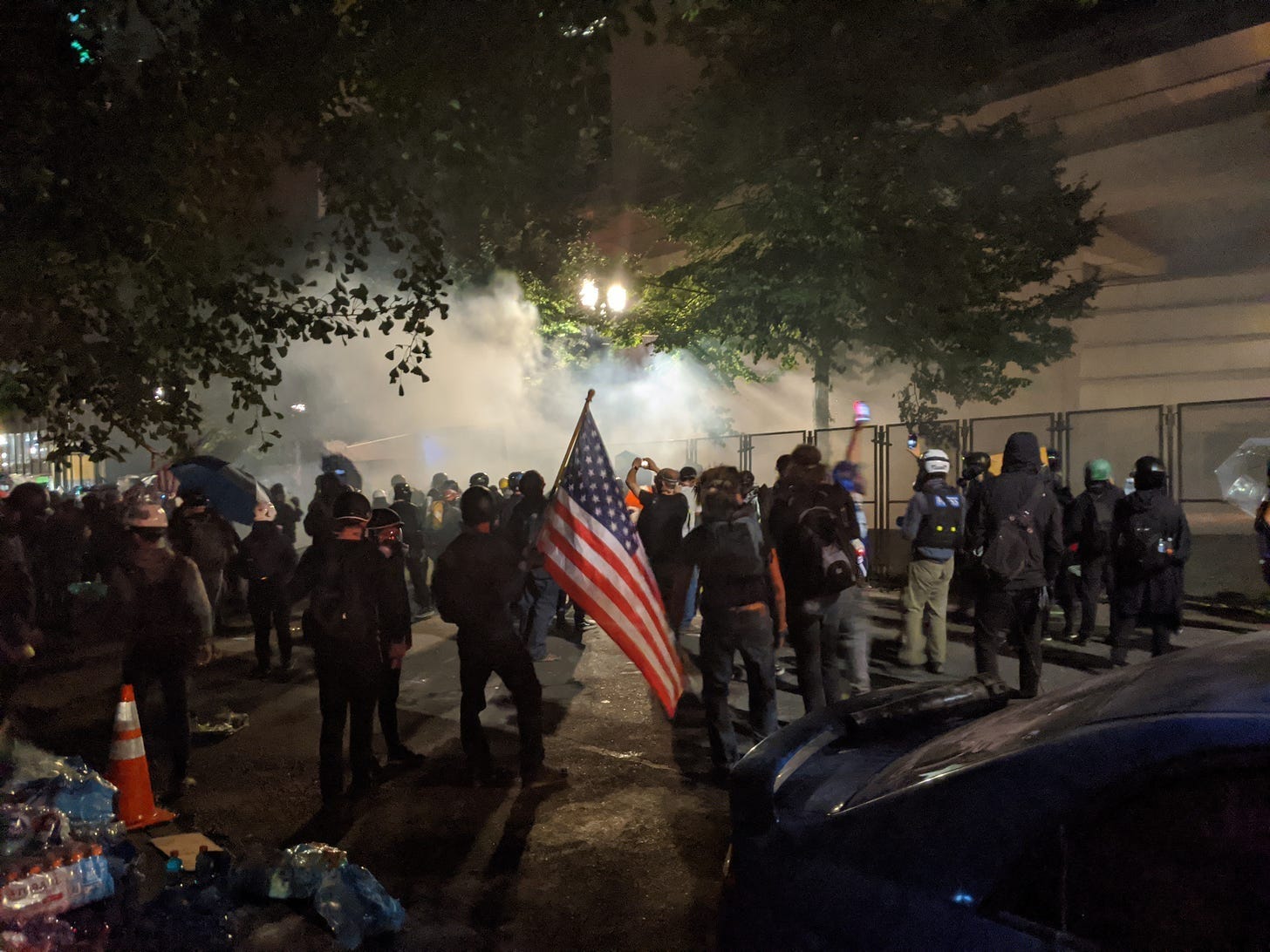
I have covered protests in this country for six years, including months on the ground in Portland, Oregon, after President Trump dispatched federal forces in July 2020 to protect the United States courthouse. The roll-out, in a city that had been engaged in violent nightly protests for more than a month, was not pretty. Images of masked federal agents pulling people into unmarked cars, only to release them without explanation, did little to calm tensions.
Still, while the nightly scenes were pyrotechnic, they never felt explicitly dangerous: the feds shot tear gas and rubber projectiles, the protesters countered with bear spray and homemade IEDS, repeat repeat repeat. Over scores of nights, I did not see physical contact between federal officers and protesters, despite the latter doing their best to provoke response. When the feds left Portland six weeks later, there had been no killings of protesters, and relatively few injuries.
That it is no longer 2020, the Trump administration has been making clear since last year, when it began sending agents from Immigration and Customs Enforcement, Border Patrol and other forces into American cities, in what a friend refers to as “the Tom Cotton do-over,” a reference to the Arkansas senator’s call for military to be dispatched to cities rocked with violence following the police killing of George Floyd. Trump eventually did, if not with the shock-and-awe the administration might have anticipated. The protests in Portland, for instance, went on for months after the feds left.
Trump’s first big do-over was to send ICE to Los Angeles in June 2025, where agents began rounding up the allegedly undocumented. The official message was that only violent criminals were being arrested and deported, a plan not many Americans would find fault with. What the administration did not count on was that the people of Los Angeles, where I lived for 18 years, were not exactly down with their neighbors being snatched off the streets and parents being pulled away from their children. Hundreds of thousands turned out to protest the ICE raids. There was some protester violence, including a night of looting. And yet instead of burning down their own city, something Angelenos have been known to do, the center held. People raised placards, shouted at and photographed ICE agents; I did this last myself. While the mood was frenetic it was not violent. The California National Guard - unmasked and clearly identified - stood like statues as people exercised their First Amendment right to express opposition and outrage.
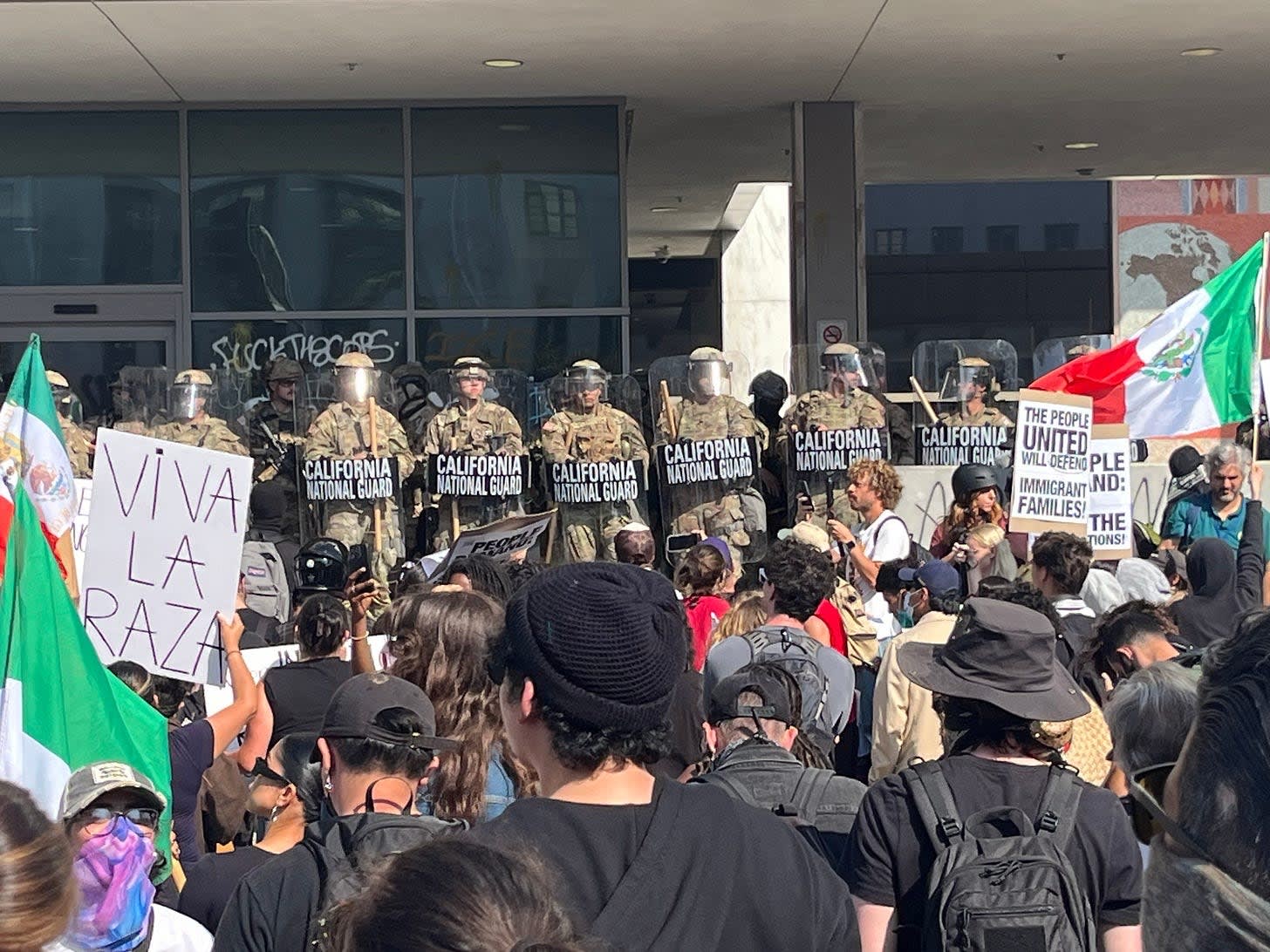
In other parts of the city, ICE was still rounding people up. That was their brief. What the Guard, U.S. Marines and, later, U.S. Border Patrol were there to do was unclear, seemingly even to some of them, based on my trailing a group of guardsmen downtown one afternoon. They walked, they sat, they did not approach protesters, even those who screamed in their faces. And while LAPD officers did at least once bull-rush the crowd, knocking me to the ground and sending my reporter’s pad flying, I did not sense that people felt their lives were in danger. After six days, federal forces left Los Angeles, if not in capitulation, then not with much glory either.
If they could not grab a bright victory in LA, how about Portland? Surely that city would explode with the slightest federal incursion, and who liked Antifa, anyway?
